
 Festive Dresses Everyone Will Be Talking About
1. Introduction: The Magic of Festive Fashion
Festive fashion is more than a matter of clothing. It is an expression of personality, cultural heritage, and the joy of celebrating meaningful occasions with family and friends. From the excitement of Eid morning to the grandeur of a wedding reception, the right outfit can transform an ordinary day into a memorable experience.
Pakistani festive fashion brings together traditional artistry and contemporary sophistication. Elegant silhouettes, intricate embroidery, graceful dupattas, and carefully selected fabrics create outfits that feel both culturally authentic and fashion-forward.
The secret to an unforgettable festive look is not necessarily choosing the most elaborate dress. It is finding an ensemble that reflects your taste, suits the occasion, and allows you to feel comfortable and confident throughout the celebration.
2. Why Festive Dresses Make Every Celebration
 Special
Festive occasions often bring people together to celebrate traditions, strengthen relationships, and create lasting memories. Clothing becomes part of that experience. A thoughtfully chosen outfit can reflect the significance of the gathering while allowing the wearer to express individuality.
Festive dresses also offer an opportunity to experiment with styles that might feel too extravagant for everyday wear. Decorative embellishments, richer colors, statement sleeves, and flowing silhouettes can introduce a sense of occasion without sacrificing personal comfort.
The best festive outfit balances three essential elements: visual appeal, practicality, and individual style. When these elements work together, dressing up feels less like an obligation and more like an enjoyable part of the celebration.
3. The Evolution of Pakistani Festive Wear
Pakistani festive fashion has evolved through a fascinating dialogue between traditional craftsmanship and modern design. Classic shalwar kameez, embroidered shirts, ornate dupattas, and heritage-inspired motifs remain important, while contemporary collections introduce fresh proportions, experimental color combinations, and streamlined tailoring.
Today’s festive wardrobe may include a traditional three-piece suit, a minimalist embroidered ensemble, a sophisticated long shirt with trousers, or a statement outfit featuring elaborate surface detailing. Each option serves a different aesthetic preference.
This evolution has also made festive dressing more adaptable. Women can choose garments that preserve cultural elegance while reflecting modern lifestyles, individual preferences, and the practical demands of different events.
4. Essential Trends in Modern Festive Dresses
Modern festive fashion celebrates individuality rather than insisting on one universal look. Some designs emphasize opulence and ornamentation, while others rely on restrained detailing and exceptional fabric quality.
4.1 Intricate Embroidery and Traditional Motifs
Embroidery remains one of the most distinctive elements of Pakistani festive clothing. Floral patterns, geometric arrangements, delicate threadwork, and ornamental borders can lend a garment depth and visual character.
The placement of embroidery matters as much as its complexity. Detailed work along the neckline, sleeves, or hemline can create an elegant focal point, while all-over embellishment produces a more dramatic appearance.
For a balanced outfit, pair heavily embroidered clothing with relatively understated accessories. This allows the craftsmanship to remain the principal attraction.
4.2 Luxurious Fabrics and Refined Textures
Fabric determines how a dress falls, feels, and moves. Chiffon offers an airy, fluid appearance; organza introduces structure and translucency; raw silk creates a polished finish; and velvet provides richness suited to cooler weather.
Jacquard and other textured fabrics can also create visual interest without requiring extensive embellishment. The right material depends on the season, occasion, desired silhouette, and personal comfort.
Luxury is not simply about choosing an expensive textile. It is also about the fabric’s drape, finish, durability, and compatibility with the garment’s design.
4.3 Contemporary Cuts and Timeless Silhouettes
Modern festive dresses often reinterpret familiar silhouettes through updated proportions. Straight-cut shirts, flowing maxi dresses, graceful long shirts, and wide-leg trousers can all create distinctive looks.
The most versatile designs avoid relying entirely on short-lived trends. Instead, they combine a contemporary detail with a silhouette that remains appealing across multiple seasons.
A well-proportioned outfit also creates visual harmony. The length of the shirt, volume of the trousers, and drape of the dupatta should complement one another rather than compete for attention.
5. Choosing the Perfect Festive Dress for Eid
Eid is an occasion where elegance, comfort, and tradition converge. The ideal outfit should feel special while remaining practical enough for prayers, family visits, photographs, and extended gatherings.
Soft pastels, delicate embroidery, and lightweight fabrics can work beautifully for daytime celebrations. For evening dinners, richer jewel tones, more elaborate embellishments, or a sophisticated monochromatic ensemble may create a more formal impression.
Consider the schedule before selecting your dress. An outfit intended for a full day of visiting should allow comfortable movement and require minimal adjustment. A well-chosen dupatta, coordinated footwear, and subtle jewelry can complete the ensemble without making it cumbersome.
Above all, choose something that reflects your personality. Eid fashion is most memorable when it feels authentic rather than dictated entirely by trends.
6. Elegant Wedding and Engagement Outfits
Wedding celebrations often call for more elaborate dressing. Engagement ceremonies, mehndi functions, receptions, and formal dinners each have their own atmosphere, making it worthwhile to select an outfit that suits the event.
For an engagement or formal reception, consider richly embroidered suits, flowing silhouettes, or luxurious fabrics with refined embellishments. Festive colors such as emerald green, burgundy, deep blue, and champagne can create a sophisticated appearance, depending on the event’s dress code.
Mehndi gatherings often accommodate more playful styling. Brighter colors, expressive prints, and decorative accessories can capture the celebratory mood.
The objective is to look polished without overshadowing the occasion or the hosts. Coordinating your outfit with the event’s formality will usually produce a more harmonious result than simply choosing the most heavily decorated dress available.
7. 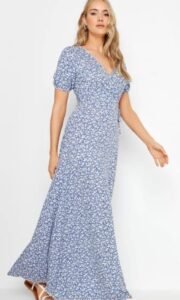 Birthday Parties and Intimate Family Gatherings
Not every celebration requires elaborate formalwear. Birthday dinners, small family gatherings, and casual festive lunches can be ideal opportunities to embrace understated elegance.
A two-piece suit, a printed shirt with tailored trousers, or a lightly embroidered ensemble may provide just the right balance. These outfits can feel festive without becoming unnecessarily formal.
Color and accessories can elevate a simpler garment. A contrasting dupatta, elegant earrings, a structured handbag, or attractive footwear can introduce personality without overwhelming the look.
One advantage of choosing versatile clothing for smaller occasions is its potential for repeated use. A thoughtfully selected outfit can be styled differently for several events, making it a practical addition to any wardrobe.
8. The Appeal of Luxury Festive Suits
Luxury festive suits combine considered design with attention to materials, finishing, and silhouette. Their appeal often lies in the details: neatly executed embroidery, coordinated components, carefully constructed seams, and fabric that falls gracefully.
A luxurious outfit does not necessarily need extensive embellishment. In some designs, a beautiful textile and precise tailoring create more impact than an abundance of decorative elements.
When evaluating a festive suit, examine the quality of its stitching, the consistency of its embroidery, and the way its components work together. For unstitched garments, also consider the fabric quantity and the design’s suitability for your preferred cut.
The strongest investment is an outfit that makes you feel confident and can be worn for occasions beyond a single celebration.
9. Two-Piece vs. Three-Piece Festive Suits
Choosing between a two-piece and a three-piece suit depends on the event, your styling preferences, and how much versatility you want from the outfit.
A two-piece set typically consists of a shirt and trousers. Its streamlined appearance makes it suitable for smaller celebrations, dinners, and semi-formal gatherings. It can also be easier to style with accessories already in your wardrobe.
A three-piece set usually includes a shirt, trousers, and dupatta. The additional layer creates a more complete traditional ensemble and provides greater flexibility in how the outfit is draped and presented.
Neither option is inherently more elegant. A beautifully tailored two-piece suit can look just as sophisticated as a richly detailed three-piece design. Let the occasion and your personal aesthetic guide the decision.
10. Unstitched vs. Ready-to-Wear Dresses
Unstitched and ready-to-wear clothing offer different advantages, and understanding those differences can make festive shopping considerably easier.
Unstitched suits allow greater control over tailoring. You can choose the shirt length, sleeve shape, trouser cut, and overall fit according to your measurements and preferences. This flexibility is especially valuable when standard sizing does not provide the desired result.
Ready-to-wear dresses, by contrast, offer convenience. They are useful when an event is approaching quickly or when you prefer not to coordinate fabric, tailoring, and finishing separately.
Before purchasing unstitched clothing, confirm the fabric details, included components, and estimated tailoring requirements. For ready-to-wear garments, consult the size chart and inspect the product measurements rather than relying exclusively on labels such as small, medium, or large.
The right choice is the one that fits your schedule, budget, and expectations.
11. Choosing Colors That Complement Your Style
Color can influence the entire character of an outfit. It affects the visual mood, the impression created by the silhouette, and the way accessories interact with the garment.
Pastel shades such as powder blue, blush pink, mint, and lavender often create a delicate daytime aesthetic. Deeper shades, including plum, emerald, navy, and burgundy, can convey richness and formality.
Neutrals such as ivory, beige, taupe, and soft brown offer understated sophistication. They are also useful for creating coordinated outfits with accessories that can be reused across different occasions.
When selecting a color, consider the event, lighting, fabric, and your personal preferences. If possible, inspect the garment in natural light, because artificial lighting and edited product photographs can affect how a shade appears.
There is no single palette that suits everyone. The most effective choice is one that makes you feel comfortable and complements the overall design.
12. Fabric Selection for Comfort and Elegance
The fabric of a festive dress influences far more than its appearance. It determines breathability, drape, movement, maintenance requirements, and suitability for the weather.
For warm conditions, lightweight lawn and breathable cotton blends can be practical choices. Chiffon and organza can introduce fluidity or decorative structure, although their comfort depends on the garment’s lining and construction.
Raw silk, jacquard, and velvet can provide a richer appearance for formal occasions and cooler weather. However, the weight and texture of these materials should be considered before committing to an outfit intended for prolonged wear.
Pay attention to the lining, too. A beautiful outer fabric may feel uncomfortable if the lining is rough, restrictive, or poorly ventilated.
Before purchasing, review the care instructions and consider how much maintenance the garment requires. A suitable fabric should complement the design while meeting the practical demands of your lifestyle.
13. How to Select the Right Dress for Your Body Shape
A flattering outfit is one that works with your proportions and allows you to move naturally. Rather than following rigid rules about body shape, focus on fit, balance, and the features you personally enjoy emphasizing.
Straight-cut shirts can create a clean, elongated line. Flared silhouettes introduce movement and volume, while tailored waistlines can create additional definition. Wide-leg trousers may balance a structured shirt, whereas slim trousers can complement a longer, more voluminous top.
Neckline, sleeve length, shirt length, and fabric stiffness also influence the final appearance. A lightweight fabric drapes differently from a structured textile, even when both garments share the same measurements.
The most reliable approach is to assess the entire ensemble rather than an isolated piece. A dress should sit comfortably at the shoulders, allow ease through the body, and maintain a pleasing silhouette when sitting, walking, and standing.
Personal comfort should always take precedence over arbitrary fashion rules.
14. The Art of Accessorizing Festive Outfits
Accessories can transform an outfit by adding contrast, texture, or a subtle point of emphasis. The key is to select pieces that complement the dress rather than compete with it.
For heavily embroidered suits, delicate earrings, a simple bracelet, or understated footwear may provide sufficient refinement. With a minimalist outfit, statement earrings, an embellished clutch, or a decorative necklace can introduce visual interest.
Dupattas deserve particular attention because their fabric, color, and drape can substantially alter the overall look. A lightweight dupatta may create a relaxed appearance, while a more structured or embellished one can lend additional formality.
Metallic accents, including gold and silver tones, can coordinate beautifully with festive fabrics. However, consistency is not essential: carefully balanced contrasts can look equally sophisticated.
Before leaving for an event, assess the entire ensemble in a mirror. Remove any accessory that makes the outfit feel crowded or uncomfortable. Restraint is often the finishing touch that distinguishes an elegant look.
15. Footwear That Completes Your Festive Look
Footwear can determine whether a festive outfit feels cohesive or unfinished. Traditional khussas, embellished sandals, elegant heels, and refined flats each offer a different aesthetic.
Heels may complement long, flowing outfits by creating an elongated silhouette. Flats and khussas, meanwhile, provide a practical alternative for celebrations that involve extensive walking or standing.
Consider the dress length before choosing your shoes. Trousers should fall neatly, and long hems should not drag along the ground. Comfort also matters: footwear that causes discomfort can diminish the enjoyment of even the most beautiful celebration.
For a coordinated appearance, draw inspiration from one of the outfit’s existing colors. Matching every accessory exactly is unnecessary; complementary tones can create a more nuanced result.
16. Hairstyles and Makeup for Different Occasions
Hair and makeup complete the visual composition of a festive outfit. Their purpose is not to overpower the clothing but to enhance the overall appearance and reflect the occasion’s atmosphere.
For daytime gatherings, a natural makeup look, softly defined eyes, and a comfortable hairstyle can complement lightweight fabrics and pastel colors. Evening events may accommodate more pronounced eye makeup, richer lip colors, or a polished updo.
Hairstyles should also work with the neckline and dupatta. An updo can highlight an embellished neckline, while loose waves may complement a simpler silhouette. For traditional styling, a neatly arranged hairstyle can keep the dupatta secure and the overall look composed.
The most successful approach is to choose a style that feels familiar and comfortable. Trying an entirely new hairstyle or makeup technique immediately before an important event can introduce unnecessary stress.
17. Seasonal Styling: Summer, Monsoon, and Winter
Seasonal conditions influence both the appearance and practicality of festive clothing. A dress that feels comfortable in winter may become cumbersome during a hot summer afternoon.
Summer: Prioritize breathable fabrics, comfortable linings, and silhouettes that allow air to circulate. Lawn, lightweight cotton blends, and appropriately lined chiffon can be useful choices.
Monsoon: Consider fabrics that are relatively easy to maintain and avoid excessively long hems that may become wet or dirty. Carrying a protective garment bag can also help safeguard delicate clothing while travelling.
Winter: Velvet, heavier jacquard, and richer textiles can create warmth and visual depth. Layering with a complementary shawl or wrap can provide additional comfort without compromising the outfit.
Seasonal styling is ultimately an exercise in thoughtful preparation. The right fabric and silhouette help ensure that you can enjoy the occasion without continually adjusting your clothing.
18. Modest Fashion and Contemporary Elegance
Modest festive fashion offers numerous opportunities for creativity. Full-length silhouettes, graceful sleeves, high necklines, flowing dupattas, and carefully balanced proportions can create an elegant appearance without sacrificing contemporary appeal.
A long embroidered shirt paired with straight trousers can deliver a refined, understated look. For more formal gatherings, a flowing three-piece ensemble with coordinated embellishments may offer additional grandeur.
The drape of a dupatta can also influence the character of an outfit. Worn over the shoulders, arranged around the neckline, or styled to provide greater coverage, it offers both aesthetic and practical versatility.
Modest fashion does not require sacrificing color, texture, or individuality. The most compelling designs demonstrate how coverage, craftsmanship, and modern styling can coexist harmoniously.
19. Building a Versatile Festive Wardrobe
A well-planned festive wardrobe reduces the pressure of finding a new outfit for every occasion. Instead of purchasing garments that serve only one purpose, invest in pieces that can be styled in several ways.
Begin with a few versatile foundations: a refined neutral suit, a colorful festive ensemble, and a more elaborate outfit for formal events. Add complementary dupattas, jewelry, and footwear that can work across multiple combinations.
For example, a simple embroidered shirt may appear understated with neutral trousers but more celebratory when paired with a contrasting dupatta and statement earrings.
Before buying something new, consider whether it works with clothing you already own. This simple habit can reduce unnecessary spending and encourage more imaginative styling.
Versatility is not about owning fewer beautiful things for its own sake. It is about making each purchase contribute meaningfully to your wardrobe.
20. Shopping Online for Festive Dresses
Online shopping has made designer festive wear more accessible, allowing customers to browse collections, compare designs, and review product information without visiting multiple stores.
However, purchasing clothing online requires careful attention to detail. Product photographs may not fully communicate fabric texture, embroidery depth, garment weight, or the exact color of a textile.
Before placing an order, review the product description, available sizes, fabric composition, included components, and shipping information. Check the exchange policy, particularly if the garment is expensive or required for a specific event.
Customer reviews can provide additional insight into sizing, quality, and the difference between product photographs and the delivered item. When details remain unclear, contacting customer support before purchasing is often worthwhile.
For shoppers interested in Pakistani festive fashion, Azure Official offers online collections that include embroidered suits, ready-to-wear styles, and other occasion-appropriate clothing. The brand’s original article also highlights the availability of different suit formats and worldwide ordering.
AZURE
+1
21. Finding the Right Size, Fit, and Tailoring
The quality of a festive outfit depends partly on how well it fits. Even premium fabric and intricate embroidery may lose their impact when the garment is too tight, excessively loose, or poorly proportioned.
For ready-to-wear clothing, consult the brand’s measurement chart and compare it with your own measurements. Pay particular attention to the bust, waist, hips, shoulders, sleeve length, and overall garment length.
For unstitched suits, communicate your requirements clearly to the tailor. Discuss the desired silhouette, neckline, sleeve style, shirt length, and trouser cut before stitching begins.
Allow sufficient time for alterations, especially before weddings and major festivals. A final fitting can reveal small issues that are easy to overlook when the garment is first completed.
The objective is not merely a precise fit. It is a garment that looks balanced, feels comfortable, and allows you to move with ease throughout the event.
22. Caring for Embroidered and Delicate Fabrics
Festive clothing often contains delicate materials and decorative details that require thoughtful care. Proper maintenance helps preserve the garment’s color, texture, embroidery, and overall structure.
Always read the care label before washing or cleaning a dress. Some fabrics may tolerate gentle handwashing, while others require professional dry cleaning. Avoid assuming that every embellished garment can be treated in the same way.
Store delicate outfits in a clean, dry place away from direct sunlight. Breathable garment covers can help protect clothing from dust, while suitable hangers may preserve the shape of structured garments. Heavily embellished pieces sometimes benefit from folded storage to prevent their weight from stretching the fabric.
After wearing a dress, check for stains and loose threads before storing it. Addressing small problems promptly can prevent more extensive repairs later.
Good garment care extends the useful life of an outfit and makes future celebrations easier to prepare for.
23. Common Festive Fashion Mistakes to Avoid
Even an expensive outfit can feel unsuitable when practical details are overlooked. Avoiding a few common mistakes can improve both your appearance and your comfort.
-
- Ignoring the dress code: A heavily embellished gown may feel out of place at a casual family lunch, while a very simple outfit might not meet the expectations of a formal reception.
-
- Choosing discomfort over appearance: Restrictive sleeves, difficult footwear, and heavy accessories can make a long celebration unpleasant.
-
- Leaving tailoring until the last minute: Rushed alterations can compromise the fit and create unnecessary stress.
-
- Overaccessorizing: Too many competing decorative elements can distract from the dress’s craftsmanship.
-
- Ignoring the weather: Heavy fabrics in hot conditions or impractical hems during rainy weather can reduce comfort.
-
- Overlooking garment care: Delicate embroidery and fine fabrics may require specialized cleaning and storage.
The solution is preparation rather than perfectionism. Consider the event, try on the complete outfit beforehand, and make sure every element serves a clear purpose.
24. Creating a Memorable Look Without Overspending
Beautiful festive styling does not require an unlimited budget. With careful planning, it is possible to create a sophisticated appearance while remaining financially sensible.
Start by setting a spending limit before browsing. Include not only the price of the dress but also tailoring, footwear, accessories, delivery, and any necessary alterations.
Look for garments that can be worn on more than one occasion. A versatile suit with elegant embroidery may be a better purchase than an elaborate outfit that is difficult to restyle.
Existing accessories can also refresh familiar clothing. A contrasting dupatta, a different pair of earrings, or a new hairstyle may give an outfit an entirely different character.
When comparing prices, assess quality rather than relying exclusively on discounts. Examine the fabric, stitching, embellishment, and product details to determine whether the purchase represents genuine value.
Thoughtful spending makes it easier to enjoy festive fashion without allowing shopping expenses to overshadow the celebration itself.
25. Why Quality and Craftsmanship Matter
Quality is often revealed through details that are easy to overlook in a product photograph. Even stitching, secure embellishments, consistent fabric texture, and well-finished seams can distinguish a carefully made garment from one that is less durable.
Craftsmanship also influences how a dress behaves when worn. Proper construction helps maintain its silhouette, while suitable materials allow the garment to drape as intended.
Traditional embroidery and decorative techniques can contribute cultural depth to festive clothing. When combined with contemporary design, these details help create pieces that feel distinctive without becoming visually excessive.
It is equally important to assess quality realistically. A high price does not automatically guarantee superior construction, and an understated outfit can offer excellent value when it is well made.
Choose garments according to their materials, finishing, comfort, and expected use. When these qualities align with your preferences, the purchase is more likely to remain rewarding beyond the current season.
26. Final Thoughts: Dress Beautifully, Celebrate Confidently
Festive fashion is at its best when it combines personal expression, cultural appreciation, and practical elegance. Whether the occasion is Eid, a wedding, an engagement, or a small gathering with loved ones, the right outfit can help make the experience feel even more meaningful.
From embroidered three-piece suits and luxurious fabrics to minimalist two-piece ensembles and contemporary silhouettes, there are countless ways to create a distinctive festive look. The most important considerations remain consistent: choose clothing suited to the occasion, prioritize comfort, pay attention to fit, and select details that reflect your personality.
A memorable outfit does not have to be the most expensive or elaborate one in the room. Sometimes, the finest impression comes from beautiful fabric, thoughtful styling, and the confidence to wear what feels right.
As you prepare for your next celebration, explore different colors, experiment with accessories, and invest in pieces that make you feel your best. With a little planning and an appreciation for craftsmanship, festive dressing can become one of the most enjoyable parts of every special occasion.